Stronger Together: Access to Rights and Empowerment
Despite economic development and the improving standard of living, human trafficking remains a serious problem in Europe. Bulgaria continues to be among the main countries of origin of trafficking victims within the European Union, with women accounting for around 70% of identified cases. Those most at risk are people without stable social and family support – including women providing sexual services and young people leaving residential social care.
The exact number of people in these situations is difficult to measure, and a large part of exploitation remains hidden and outside official statistics. Nevertheless, available data illustrate the scale of the problem. According to the Agency for Social Assistance, by the end of 2024 around 2,800 children and young people were living in residential social services in Bulgaria. For many of them, the transition to independent life begins with an increased risk of exploitation and trafficking.
Through our work, we aim to address the underlying conditions that lead to trafficking by focusing our efforts on those facing the greatest risks. In this context, Dignita has launched the initiative “Stronger Together: Access to Rights and Empowerment.” Through this project, we seek to provide timely support to people at risk and contribute to more sustainable systemic solutions that can prevent exploitation before it occurs.
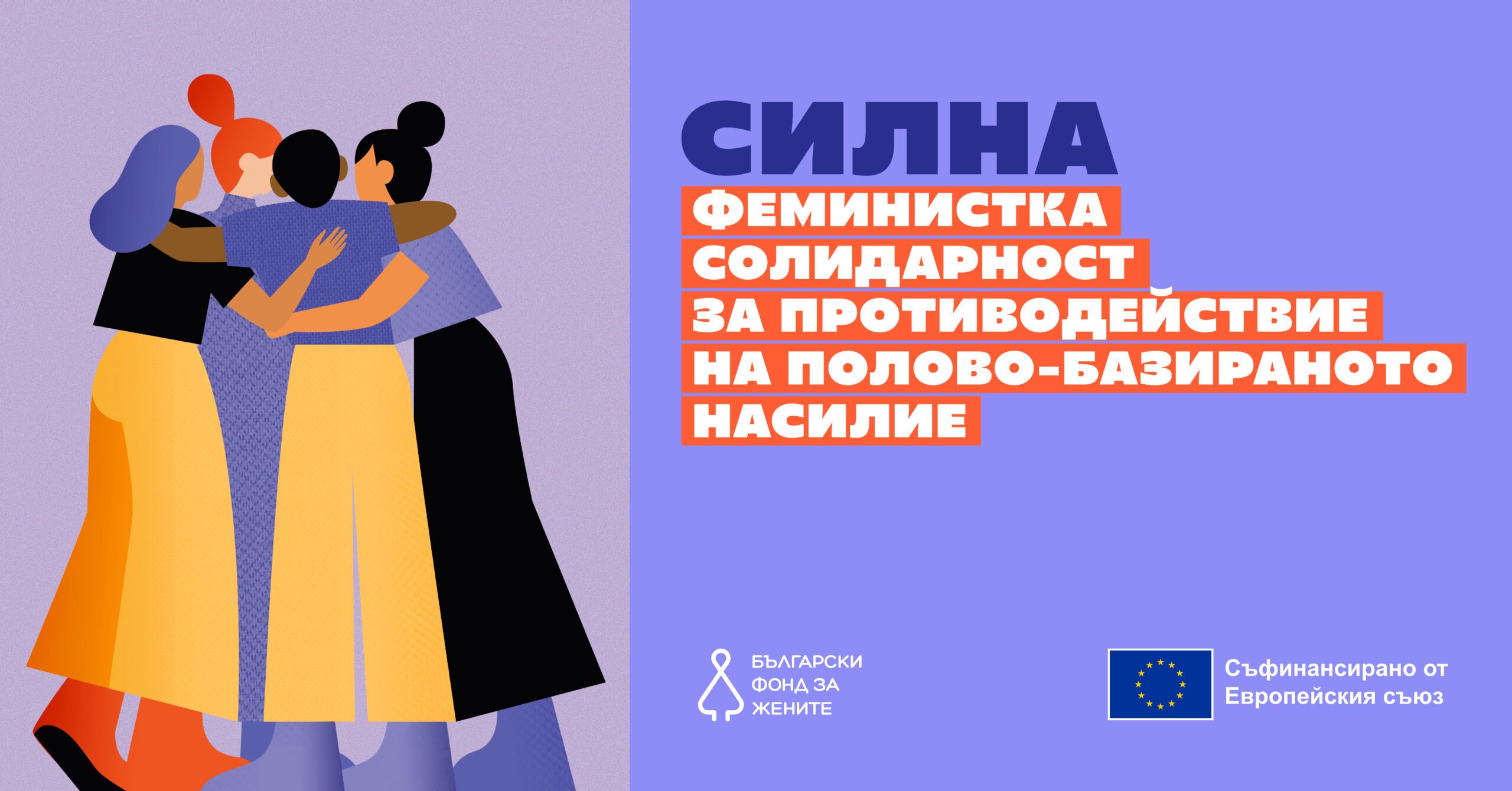
Programme: “Silna”, Bulgarian Fund for Women
Implementation period: November 2024 – September 2026
Who the activities are aimed at
Women who have experienced trafficking
These are women who have already been subjected to exploitation and are now in the process of recovery and reintegration. Without adequate support, the risk of re-exploitation remains high. Our work focuses on sustainable solutions that help them build a safer and more independent future.
Women providing sexual services
This group often remains outside official statistics and beyond the reach of protection systems. The illegal nature of the sector means that many women work without protection of their rights and without access to support services, placing them at increased risk of violence, exploitation, and trafficking.
Girls in residential social care services
These are girls growing up without stable family support and entering a critical transition period toward independent life. At this stage they often face a lack of guidance and resources, making them easy targets for manipulative practices such as promises of quick income, work abroad, or romantic relationships that may conceal exploitation.
What we aim to achieve through the project
- Identifying risk factors and systemic gaps in the protection of vulnerable groups
- Providing counselling, information, and referral to services for women who have experienced trafficking or other forms of modern slavery
- Strengthening the capacity of professionals working in child social services to recognise and prevent risks
- Developing recommendations to improve institutional practices and policies
Our Approach
Access to rights is at the core of our work. We support women and girls through a trauma-informed, non-stigmatising approach that respects their dignity and choices.
We believe that sustainable empowerment begins when a woman has access to information, support, and a real opportunity to exercise her rights. Systemic change is only possible when we work at both individual and institutional levels where decisions are made and protection must be guaranteed.
This project is implemented with the financial support of Bulgarian Fund for Women. The project does not reflect the opinion of BFW and BFW is not responsible for it.

Latest News:
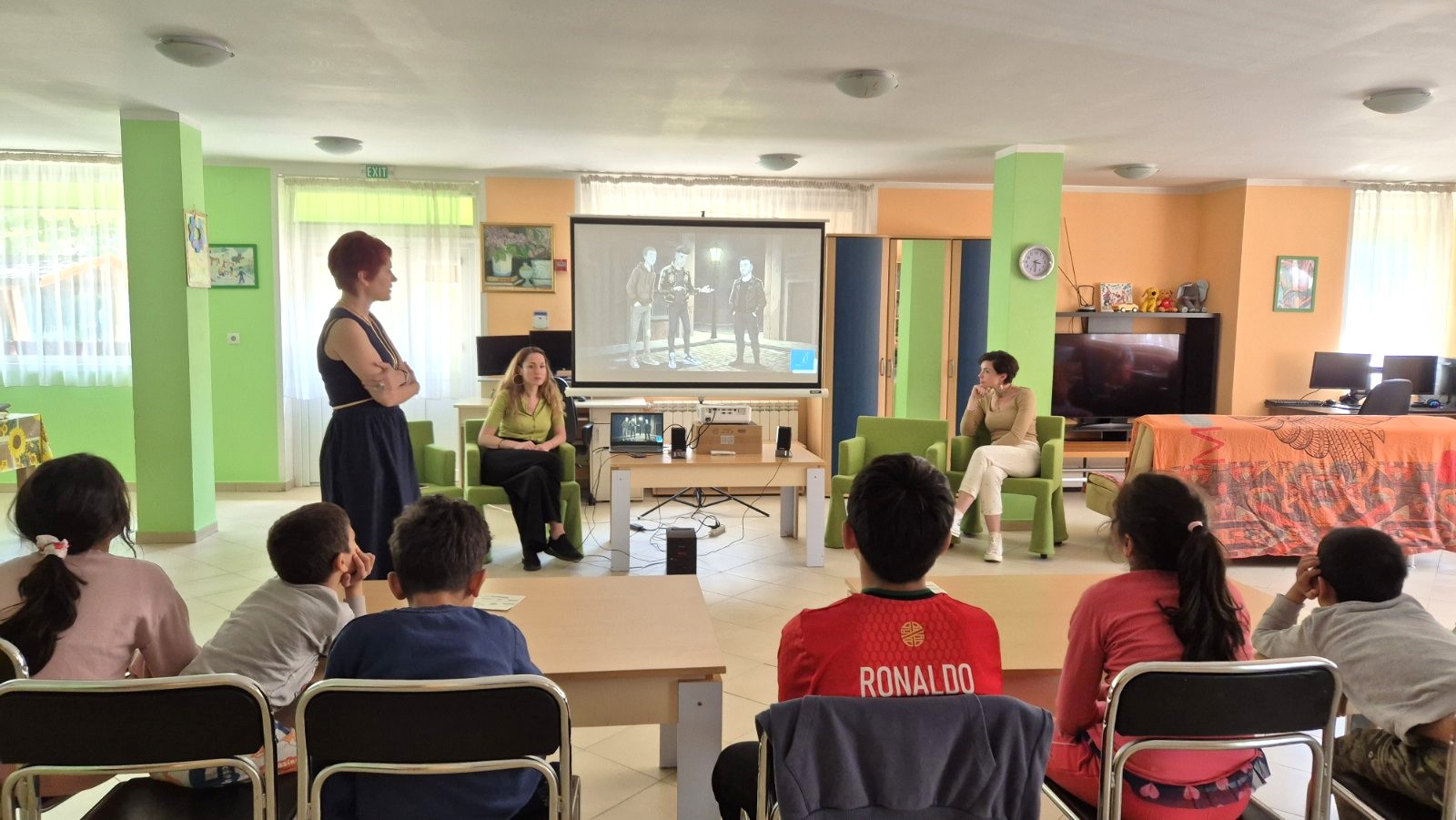
Preventing Human Trafficking Among Youth in Residential Care

A transition without support: how young people leaving care face the risk of exploitation