Supporting Young People Leaving Alternative Care: Preventing Human Trafficking

In recent years, Dignita Foundation has increasingly focused its efforts on preventing human trafficking among young people who have grown up in alternative care. For this group, the transition to independent living can significantly increase the risk of exploitation.
Every year, approximately 200 young people leave institutional and residential care in Bulgaria. For many, this has been the primary environment in which they have grown up. As they reach adulthood, they face the challenge of securing housing, income, and employment while making important life decisions, often without the support of family members or a trusted adult.
Our experience working with survivors of human trafficking has shown us how effectively traffickers exploit these circumstances. Offers of employment, financial assistance, friendship, or love can gradually become mechanisms of dependency and exploitation.
Our approach is based on the understanding that vulnerability to human trafficking is not an individual characteristic of young people. Rather, it results from the accumulation of social, economic, and institutional factors. Housing insecurity, limited employment opportunities, insufficient practical skills, and the absence of a supportive environment can significantly increase the risk of exploitation.
Analysis of Vulnerabilities and Recommendations for Institutional Change
We developed the analytical report “Young People Leaving Alternative Care: Vulnerability to Human Trafficking”, which examines how social, economic, and emotional vulnerabilities accumulate and increase the risk of exploitation.
The analysis identifies the period immediately after leaving care as particularly critical. Institutional support often decreases sharply, while young people must independently secure housing, income, and employment. Without a stable support network, they become more vulnerable to risky job offers, financial assistance, or personal relationships that may gradually develop into dependency and exploitation.
The report’s key recommendations include introducing human trafficking prevention early in the preparation for independent living, integrating exploitation risk assessments into individual support plans, ensuring continued support after leaving care, and improving coordination between the child protection system, social services, and anti-trafficking mechanisms.
“Strong and Independent” Mentoring Programme
In 2026, Dignita Foundation piloted the “Strong and Independent” mentoring programme in partnership with Sofia University “St. Kliment Ohridski”. The programme connects students studying Social Work with young people in residential care, supporting their preparation for independent living.
The students received specialised training on working with this vulnerable group and, under professional supervision, delivered a 12-week mentoring programme focused on developing personal and social skills, confidence, healthy relationships, and the ability to navigate everyday challenges.
Mentoring plays an important role in human trafficking prevention by helping young people develop skills and trusted relationships that can reduce their vulnerability to exploitation. It also creates opportunities for continuity between institutional care and independent living.
🎥 Watch the video about the programme and the experiences of its participants:
A key outcome of the programme is the establishment of a sustainable partnership with Sofia University. Participation in the mentoring programme is now officially recognised as a practical internship for Social Work students, creating opportunities to continue the initiative and involve new students and young people.
To support the programme’s future development, we also created a specialised Mentoring Handbook, offering practical methods, interactive exercises, and guidance for working with young people in alternative care.
Explore the Mentoring Handbook.
Prevention Training in Family-Type Residential Care Centres
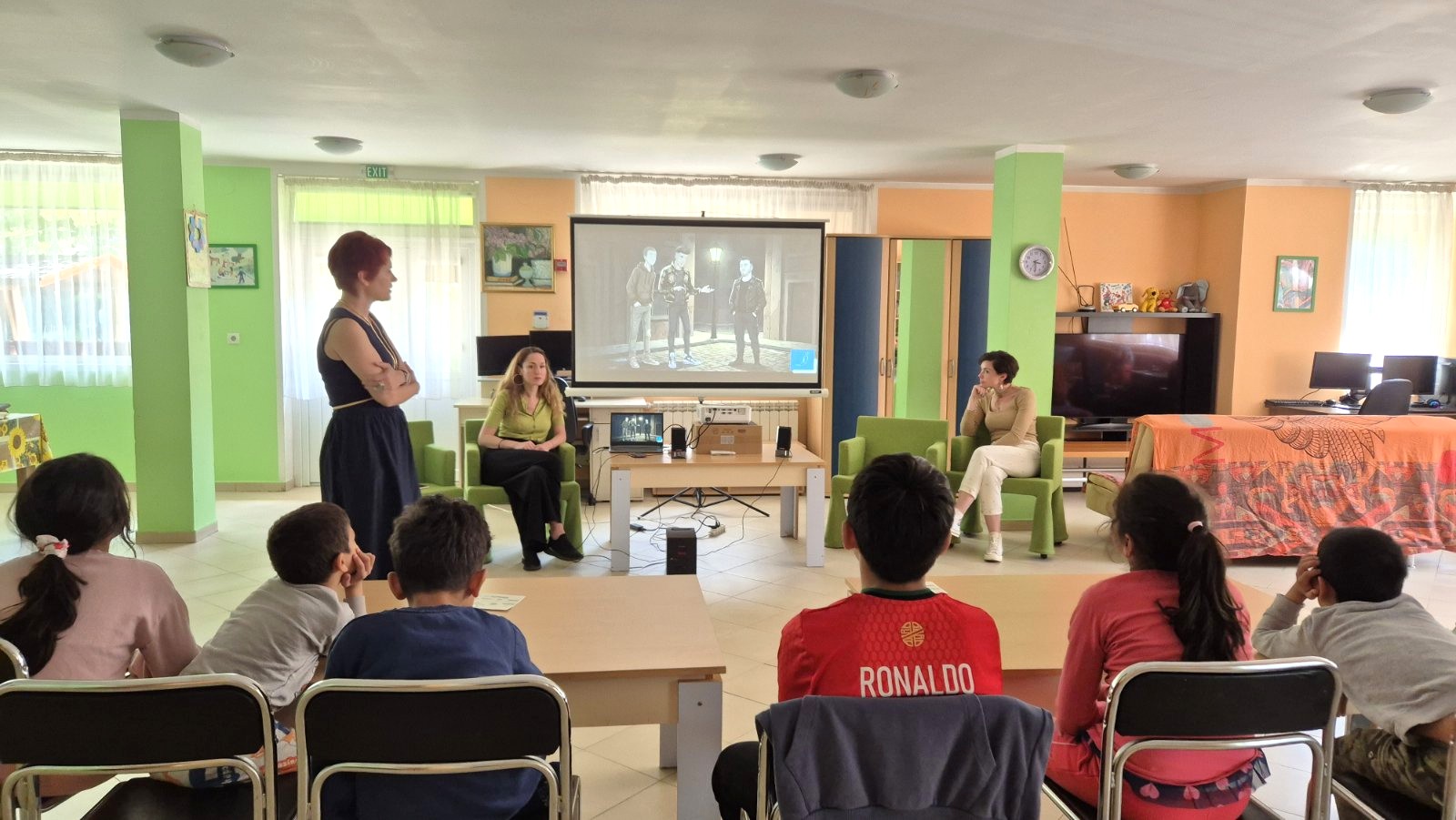
Alongside the mentoring programme, Dignita Foundation continues its direct prevention work with young people living in family-type residential care centres and transitional housing services. These activities aim to increase awareness and develop practical skills for recognising and preventing exploitation.
The training sessions are interactive and based on real-life cases and situations that young people may encounter. We explore how exploitation begins, common methods of recruitment and deception, and the links between human trafficking and violence in intimate relationships.
Through discussions and practical exercises, participants learn to recognise warning signs, assess risks, and seek support when needed.
Our main objective is to introduce prevention early, while young people are still within the protective environment of social services. This allows them to gradually develop the knowledge, confidence, and decision-making skills they will need as they transition to independent living.
Watch our videos:
“Strong and Independent” Conference
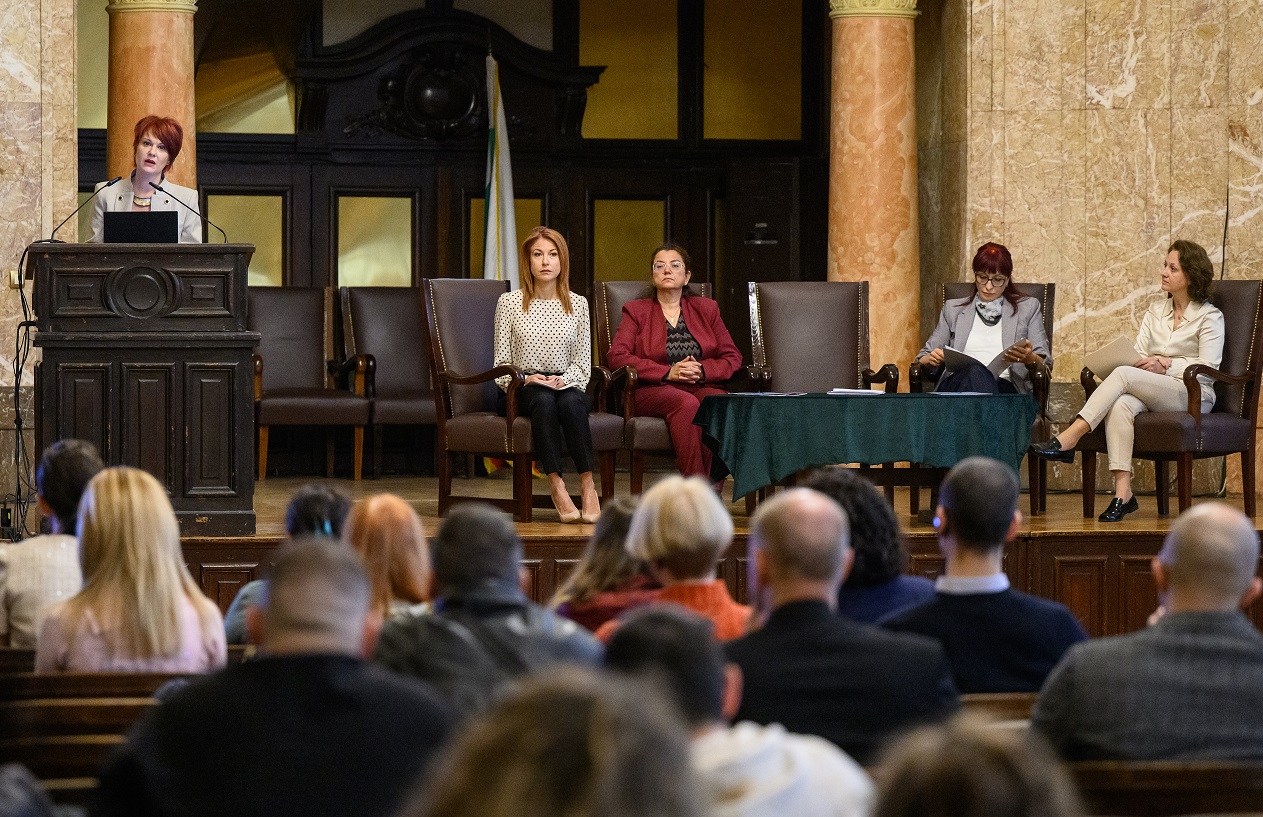
On 14 October 2026, Dignita Foundation organised a conference at the Aula of Sofia University “St. Kliment Ohridski”, dedicated to preventing human trafficking among young people leaving alternative care.
Held ahead of European Anti-Trafficking Day on 18 October, the event brought together representatives of public institutions, academia, and organisations working in social support and human rights protection.
During the conference, we highlighted the need for early and targeted support, as well as the crucial importance of cooperation between public institutions and civil society in sustainably reducing young people’s vulnerability to exploitation.
Latest News:
Supporting Young People Leaving Alternative Care: Preventing Human Trafficking
Dignita Presents Analysis of Human Trafficking Vulnerabilities Among Young People Leaving Alternative Care