Roundtable on Empowering Health Mediators and Women from Roma Communities Against Violence and Trafficking
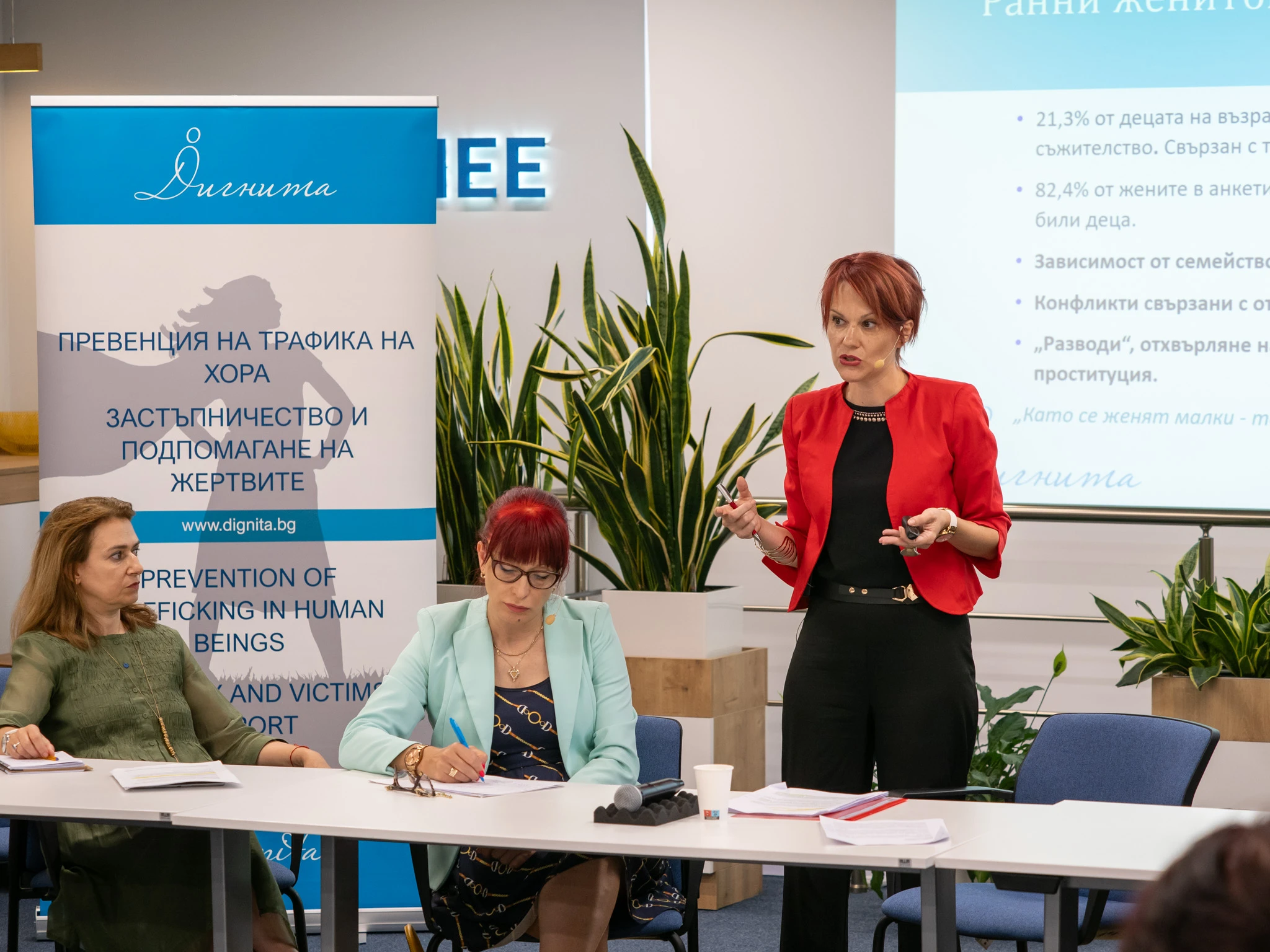
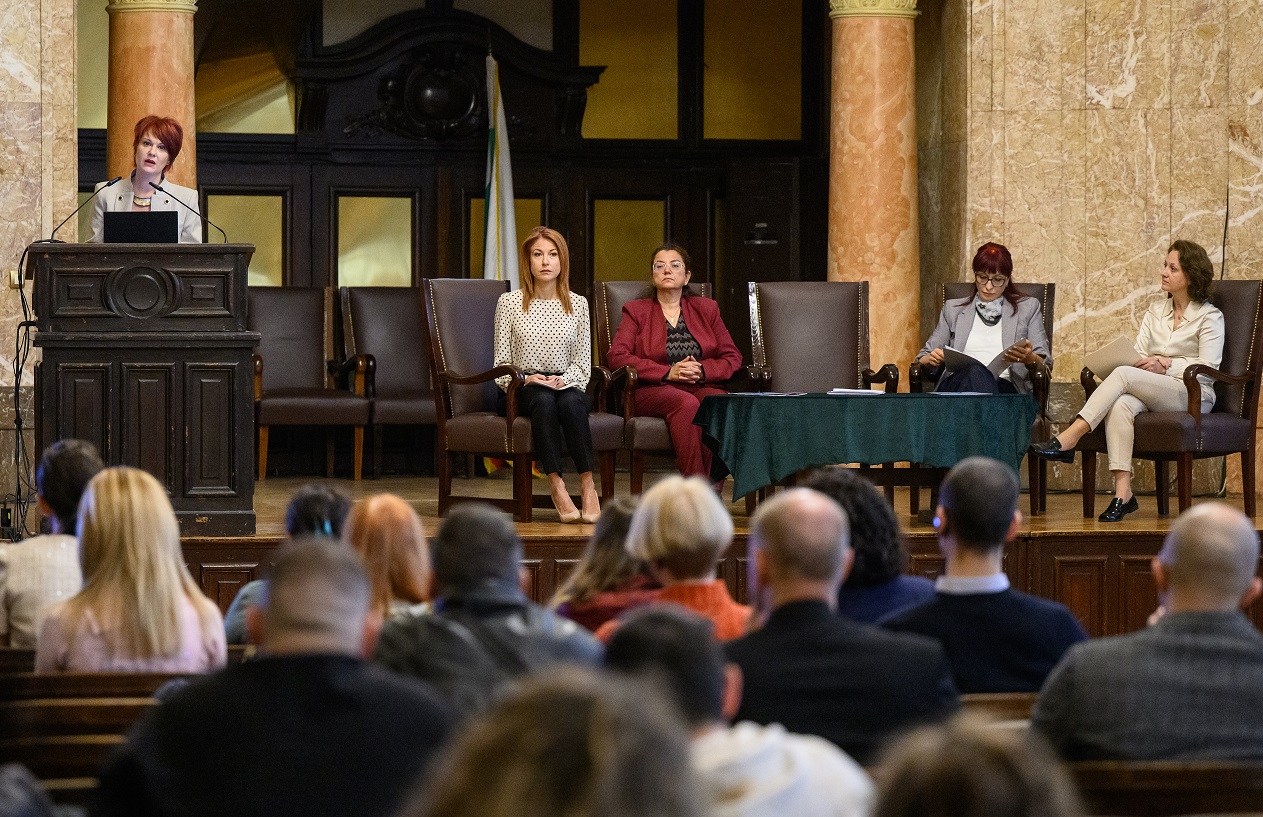
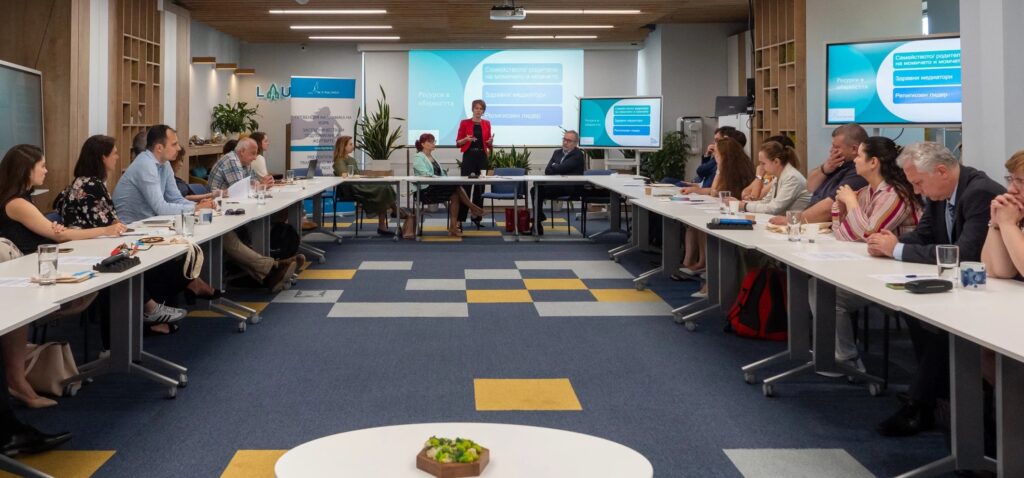
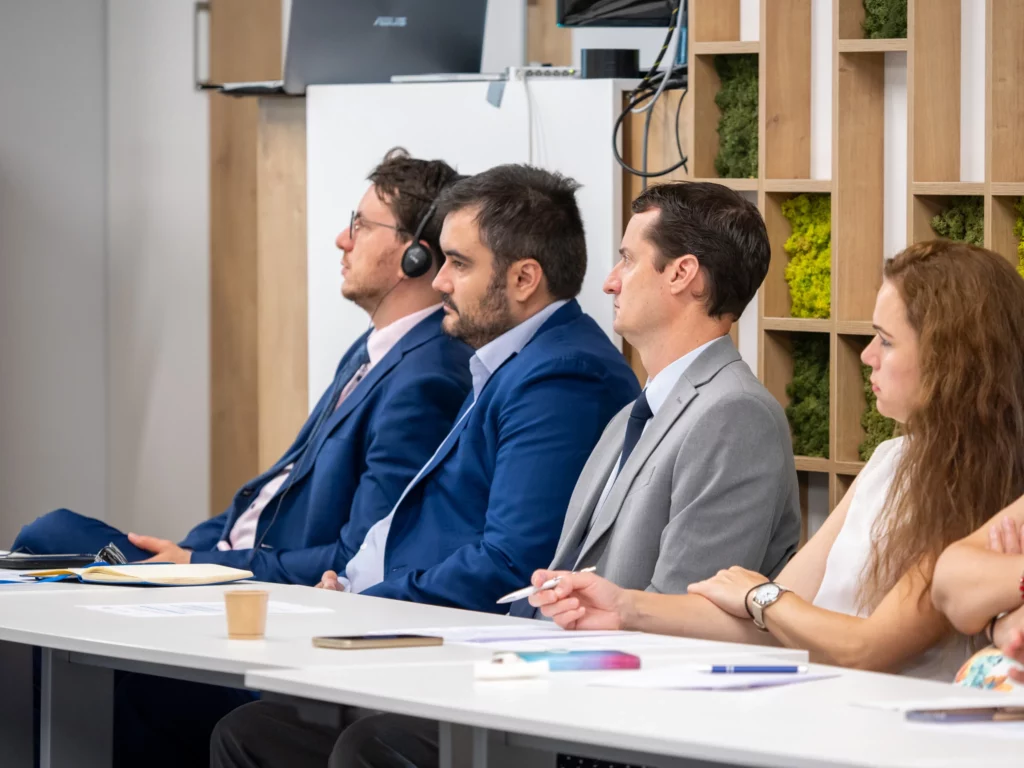
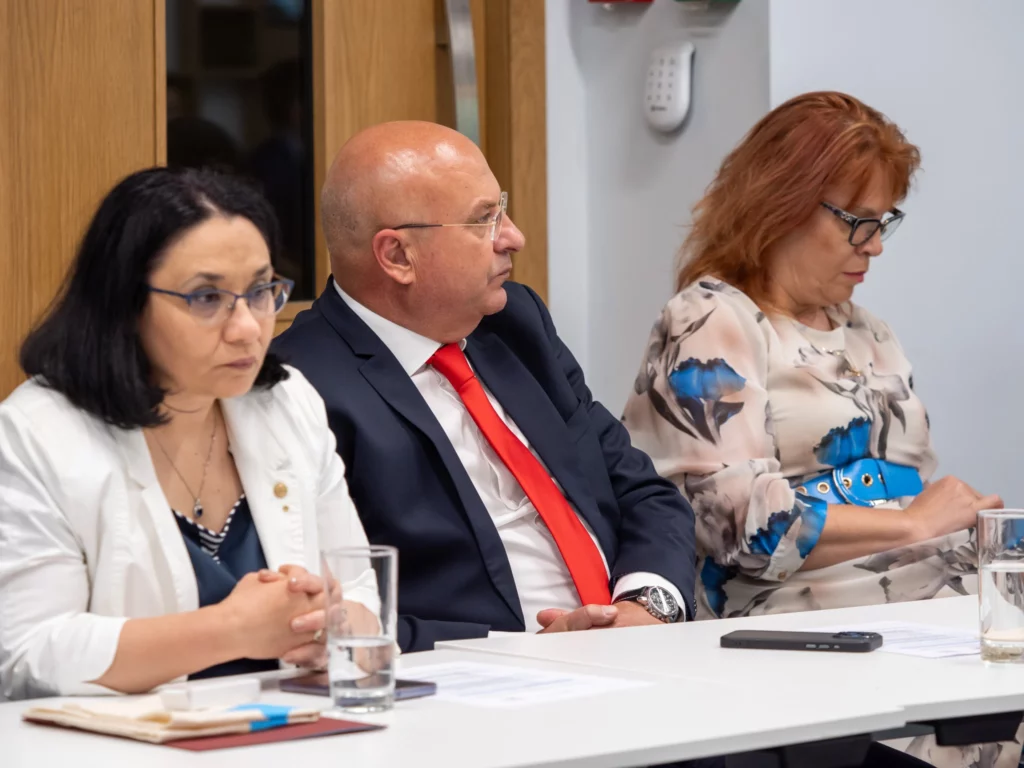
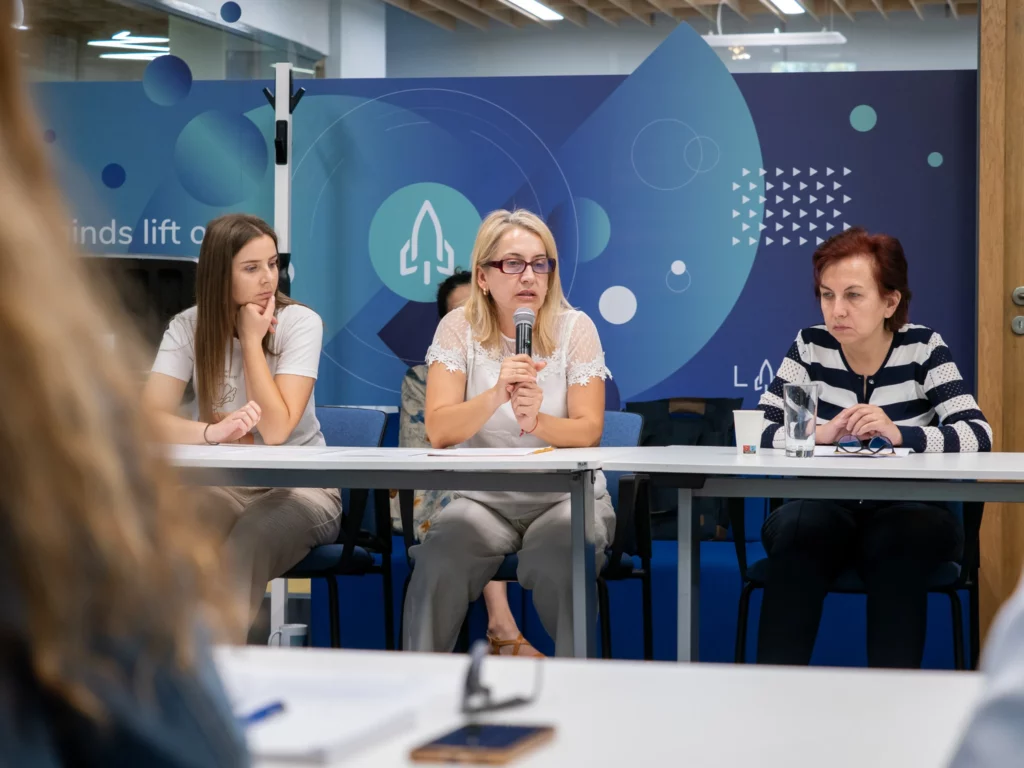
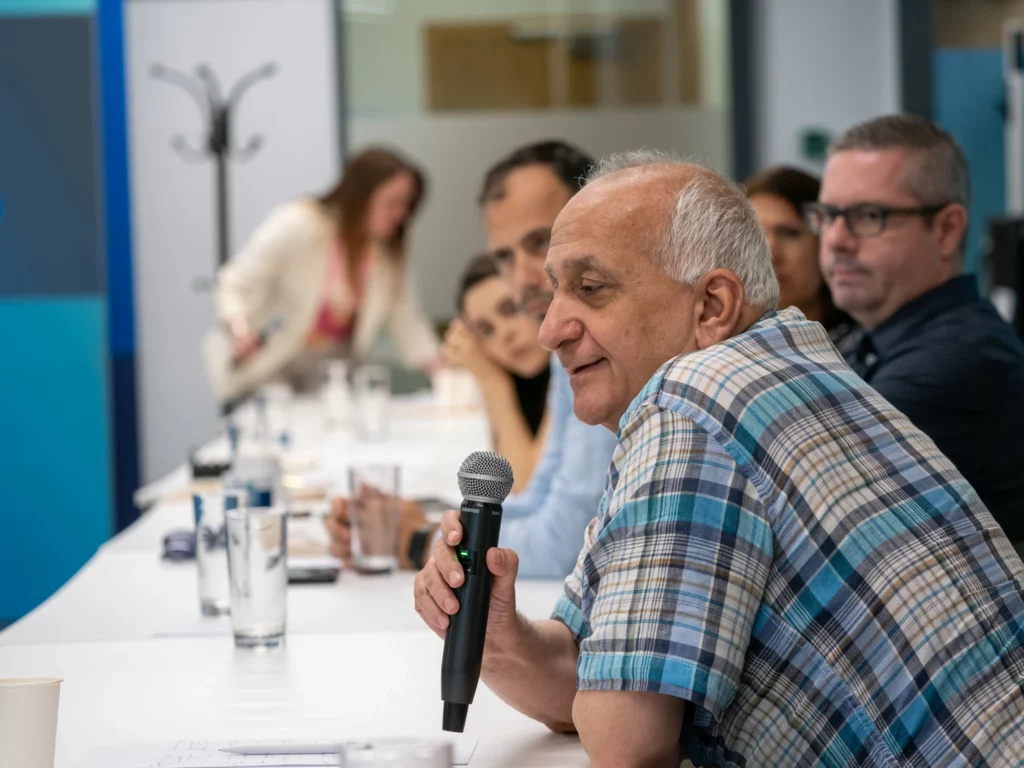
On June 7, the Dignita Foundation held a roundtable to discuss the main risk factors that make marginalized Roma communities particularly vulnerable to gender-based violence and human trafficking. Participants included representatives from key government institutions—the Prosecutor General’s Office, National Investigation Service, Ministry of Interior, Ministry of Labor and Social Policy, Ministry of Health, Ministry of Education, Social Assistance Agency, State Agency for Child Protection, National Commission for Combatting Trafficking in Persons, and the National Council for the Prevention and Protection of Domestic Violence—as well as embassies, municipal representatives, and international and local NGOs actively working in these areas.
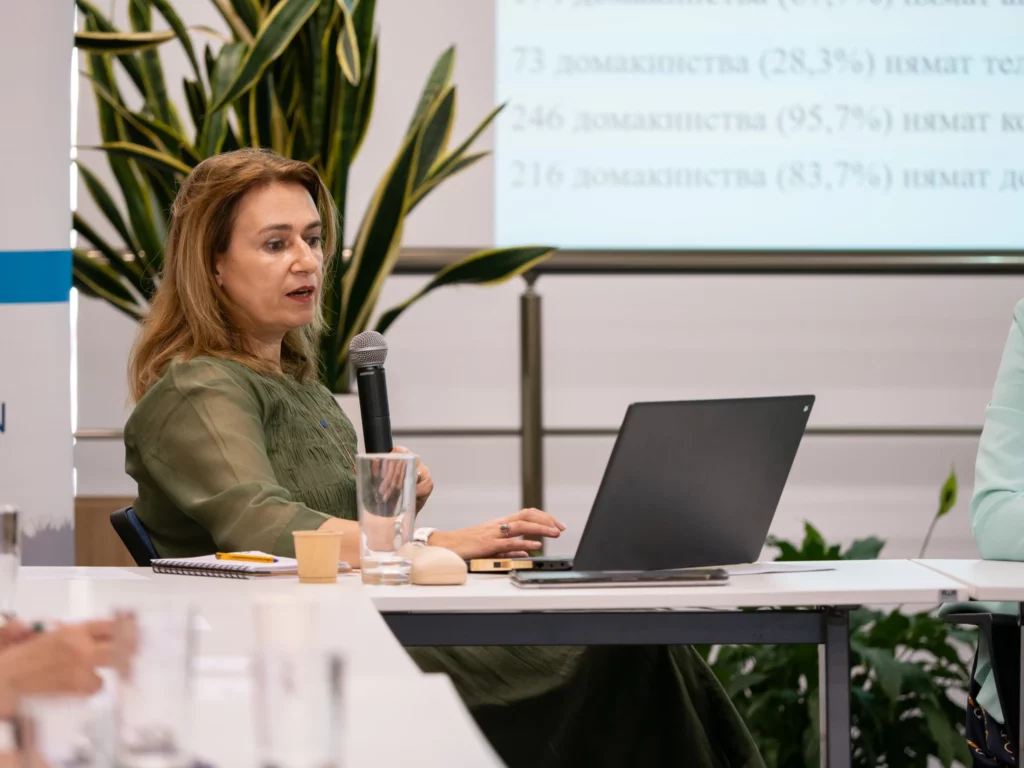
Dignita, in partnership with the National Network of Health Mediators, presented a detailed assessment of the specific vulnerabilities and needs in two Roma neighborhoods—Karmen in Kazanlak and Druzhba in Novi Pazar. This assessment, based on research, community focus groups, and interviews with leaders and local experts, identified several key factors that increase vulnerability to violence and trafficking.
Primary Vulnerability Factors
Poverty
Only 17% of residents in Karmen (Kazanlak) and 20% in Druzhba (Novi Pazar) hold formal employment contracts, with men making up the larger share of the employed. Many households lack access to basic utilities like running water and electricity, contributing to extreme poverty in these communities. This deprivation often results in family conflicts that escalate into violence, dependency on loan sharks, and unsafe practices to secure income, such as scavenging.
Early Marriages and Childbirth
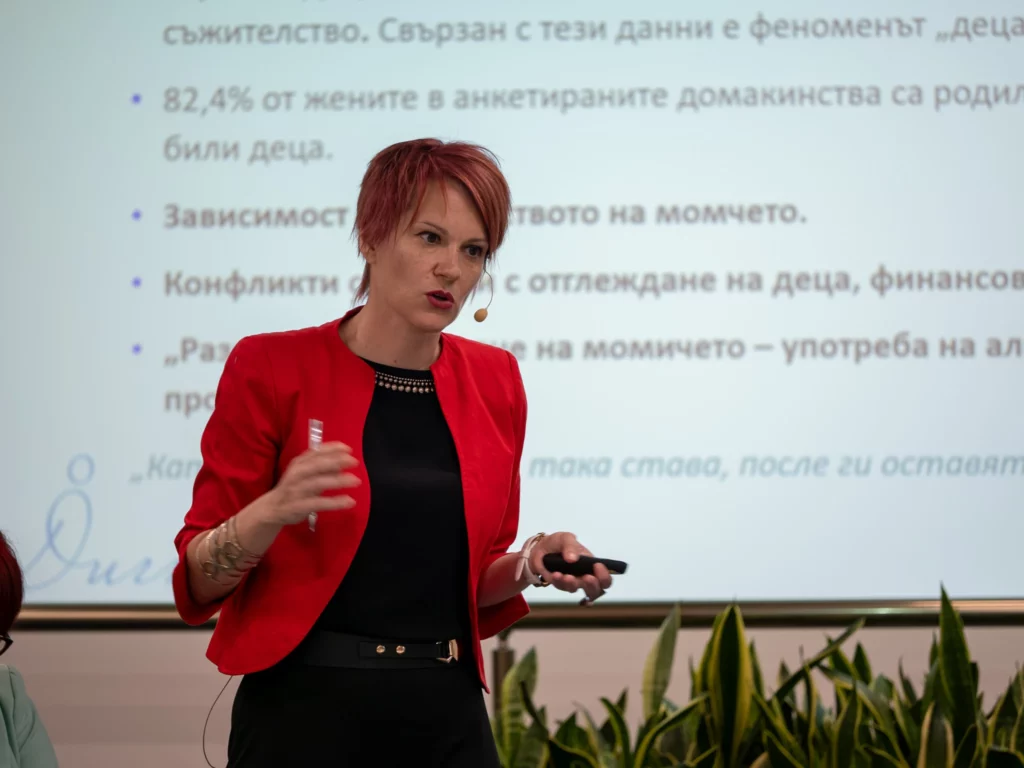
In Karmen, 82.4% of women reported having children as minors, and 21.3% of teenage girls are either married or divorced. In Druzhba, 45.4% of surveyed women had their first child before age 17. Early marriage and childbirth severely limit educational and employment opportunities, fostering financial dependency on the partner’s family and significantly increasing the risk of exploitation.
Lack of Education
Educational levels are low across these communities: in Karmen, 5.1% of individuals aged 19–28 have never attended school, 16.2% did not complete primary school, 37.5% finished only primary school, 32.4% completed middle school, and just 8.8% have a high school education. In Druzhba, 53.5% of respondents have not completed primary education or only attended up to that level. This educational deficit restricts employment prospects and reinforces financial dependence, leading to increased vulnerability to sexual and labor exploitation.
Substance Use and Dependency
Substance abuse, particularly among youth, is widespread in Karmen and nearby areas, with a noticeable decrease in the age of first-time users. Drug dependency fosters aggressive behavior, contributes to instances of family violence, and encourages high-risk behaviors that increase vulnerability to exploitation.
Normalization of Domestic Violence
Patriarchal norms and fear of familial rejection contribute to the normalization of domestic violence within these communities. Interviews and focus groups reveal that cultural values often assign a dominant role to men, which normalizes and perpetuates domestic violence as an accepted aspect of life within many households.
Conclusion and Recommendations
In concluding the roundtable, participants emphasized the need for targeted interventions by institutions to address these vulnerabilities. Recommendations were outlined at three levels:
National level
- Implement multi-sectoral policies addressing the root causes of gender-based violence.
- Increase awareness among youth about human rights, discrimination, and gender-based violence.
- Ensure equal access to education and prevent school dropouts.
- Provide accessible services for substance abuse prevention and treatment.
- Strengthen law enforcement actions against networks producing and distributing psychoactive substances and involved in trafficking.
Local Level
- Improve collaboration among stakeholders to prevent and identify cases of gender-based violence.
- Establish accessible information and support services within the community.
- Expand crisis center networks and services for survivors of domestic violence.
- Train health mediators to identify and respond to cases of domestic violence, substance abuse, and trafficking.
- Support family-focused initiatives to counter discrimination against women and promote gender equality.
The roundtable was organized as part of the project “I Rise, Too! Empowering Roma Women and Girls to Recognize Human Trafficking for Sex
Latest News:

Digital Platform for Professional Training on Human Trafficking

Supporting Young People Leaving Alternative Care: Preventing Human Trafficking