Constitutional Court Reviews Penal Code’s Impact on Trafficking Victims
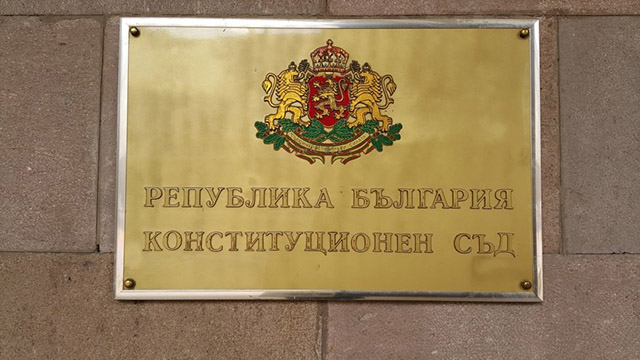
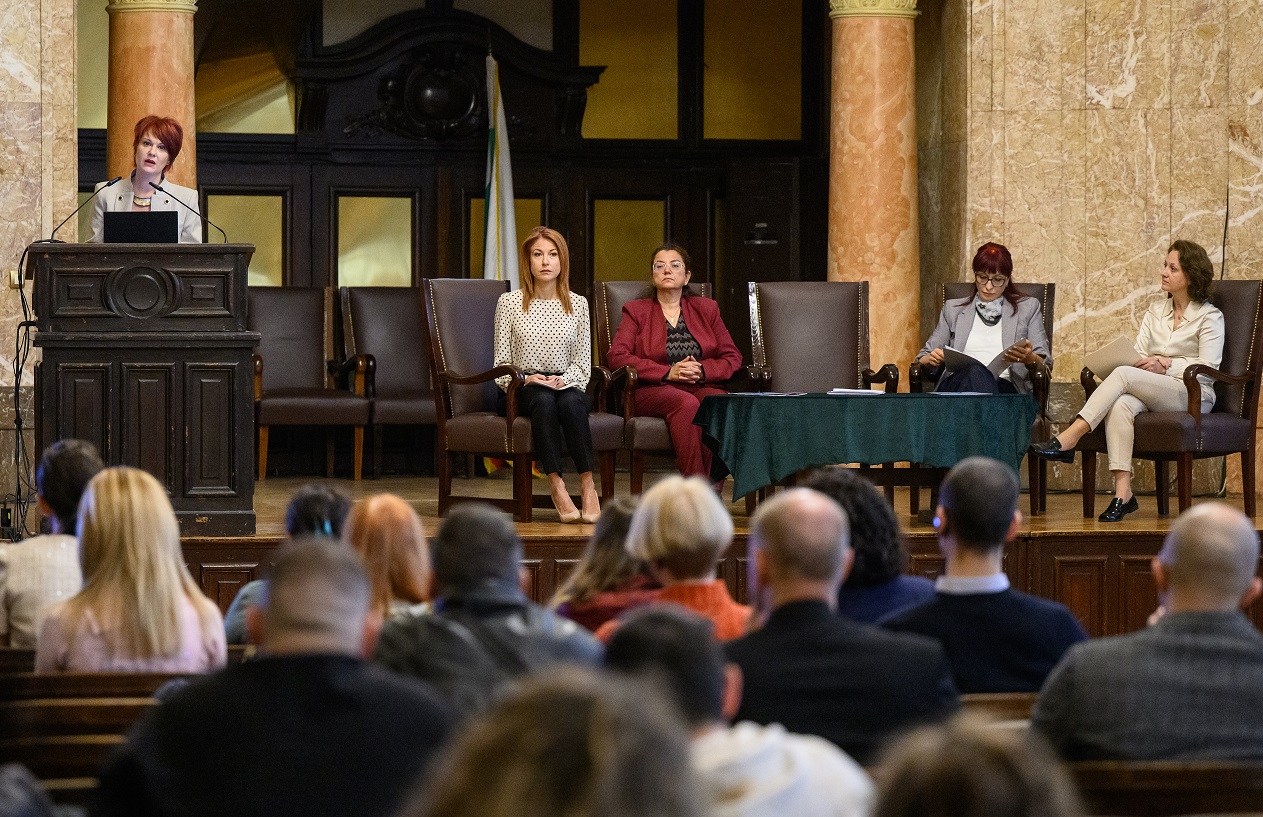
On May 17, Bulgaria’s Constitutional Court unanimously agreed to review the request of the Prosecutor General to determine the constitutionality of Article 329, Paragraphs 1 and 2 of the Penal Code (effective since May 1, 1968). Discrepancies in the application of this article have been identified, often disadvantaging victims of crimes, including human trafficking victims. Under the provisions of Article 329, the state treats victims of sexual exploitation as offenders rather than victims of crime, due to clauses relating to “parasitism” or “idleness.”
This approach has multiple negative consequences for vulnerable individuals. Traffickers often keep victims under control by instilling the belief that government institutions are not on their side. This judicial practice reinforces these threats, making traffickers more effective in controlling victims. As a result, victims lose trust in the judicial system and government institutions and are discouraged from participating in legal proceedings against their traffickers, further entrenching their dependency.
Additionally, the earnings that victims generate under coercion are often not returned as compensation but are instead considered subject to state confiscation. The removal of Article 329 from the Penal Code is therefore viewed as a vital step in securing the rights of trafficking victims and restoring their trust in the justice system.
In his request, the Prosecutor General emphasized that “under the provisions of the Penal Code, extremely vulnerable members of society are targeted. By prosecuting and punishing these individuals, the law ultimately eases the penal burden on those exploiting them.” This approach not only hampers criminal proceedings but also undermines efforts to provide legal protection in line with the Anti-Trafficking Law and the Law on the Protection of Threatened Persons in Criminal Proceedings.
Repealing Article 329 would also facilitate claims for damages by trafficking victims and empower them to testify freely. Currently, the Dignita Foundation is providing legal assistance to a trafficking victim (D.K.) who has filed a case before the European Court of Human Rights (ECHR) for compensation, which was denied on the grounds that her earnings from sex work were “immoral” and therefore not legally claimable. In case no. 36037/17 filed with the ECHR, D.K. argues that Bulgarian law and judicial practices prevent her from obtaining full redress for damages caused by trafficking. During her nine-month period of exploitation, she lost earnings amounting to 22,500 BGN, taken by the trafficker, but both Bulgarian courts denied her claim, citing Article 329, Paragraph 2, which states:
“An adult able-bodied person who, over a prolonged period, does not engage in socially beneficial work, while receiving unearned income in an unlawful or immoral manner, shall be penalized…”
The Expert Group on Trafficking in Human Beings (GRETA) with the Council of Europe also took part in D.K.’s case as a third party. GRETA’s statement references international and European standards for compensation for property damage resulting from trafficking, providing examples from other European countries’ case law.
The outcome of the ECHR case is critical for victims of trafficking for sexual exploitation. A favorable decision for D.K., combined with the potential repeal of the outdated Article 329, would represent a significant step toward ensuring the rights and protection of highly vulnerable groups. This would benefit both independent sex workers who face social exclusion and marginalization, as well as trafficking victims who wish to break free and testify against their traffickers.
Latest News:

Digital Platform for Professional Training on Human Trafficking

Supporting Young People Leaving Alternative Care: Preventing Human Trafficking