Presentation of a Precedent-Setting Case for Trafficking Victims at the ECHR – Dignita’s Participation in a Council of Europe Conference

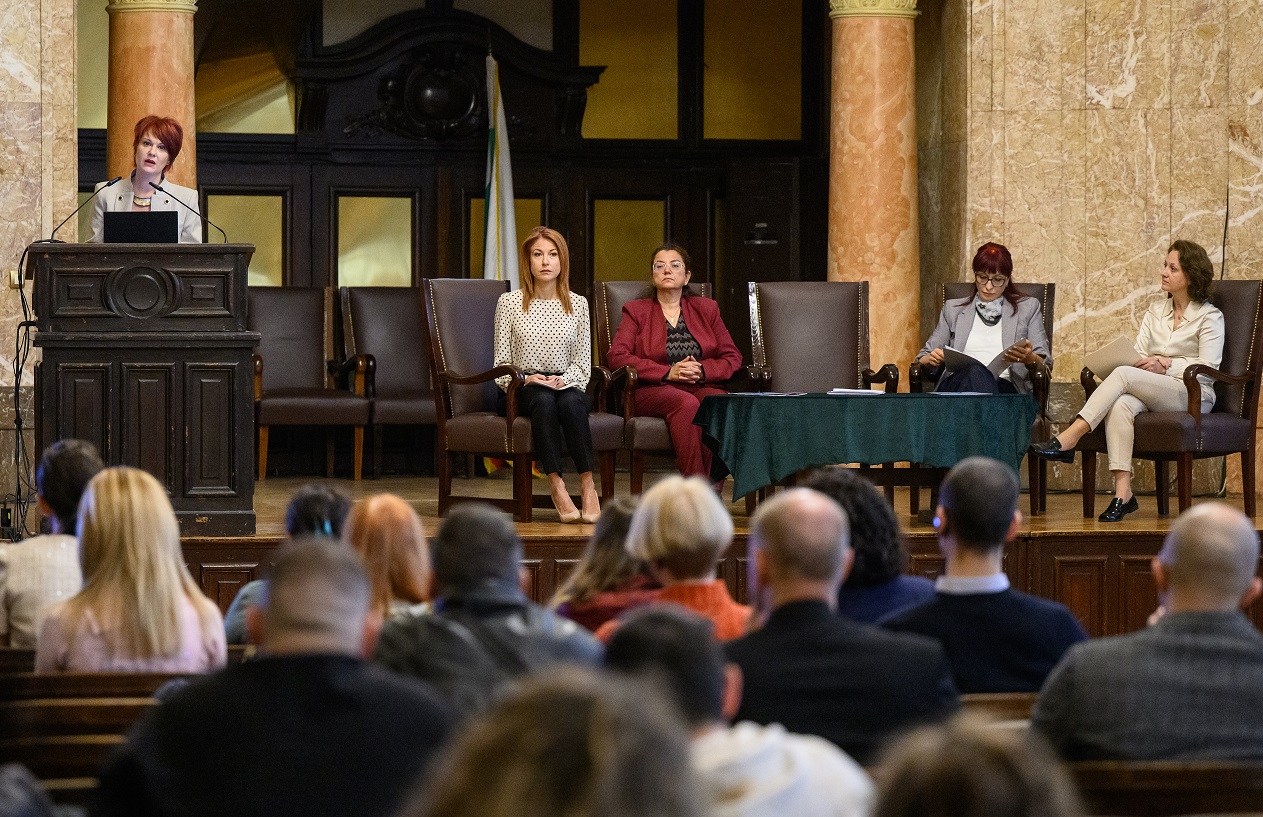
This November, the Council of Europe held a regular meeting of lawyers representing victims of human trafficking. The Network of Anti-Trafficking Lawyers, established by the Council in 2016, connects attorneys specialized in representing trafficking victims, including criminal defense lawyers for victims, immigration attorneys, labor lawyers, and other practitioners. The network meets biannually in Strasbourg to share expertise. This year’s event drew around 40 lawyers from 21 signatory countries to the Council of Europe’s Anti-Trafficking Convention.
On the first day, the Executive Secretary of GRETA (the Council of Europe’s Group of Experts on Action Against Trafficking in Human Beings) presented an overview of findings from the third evaluation round, focused on victims’ rights to justice and effective remedies. Participants also reviewed the recent ECHR judgment Zoletic and Others v. Azerbaijan, case no. 20116/12, presented by a judge from Croatia and a representative from the ECHR Registry. Professor of Contemporary Slavery Law at King’s College London, who is also a practicing attorney, shared her experience filing claims with the UN Human Rights Committee and discussed best practices. The Ludwig Boltzmann Institute, Vienna, also presented a new compendium of international human rights materials on human trafficking.
The second day of the conference focused on strategic cases presented by participants. Attorney Natasha Dobreva presented the case Krachunova v. Bulgaria, application no. 18269/18, currently pending before the European Court of Human Rights (ECHR). The case, supported by Dignita, was described by ECHR lawyers as a “game changer” and is one of only two current cases at the Court addressing victims’ rights to compensation for harm caused by trafficking, owed by the traffickeр. GRETA’s Executive Secretary noted that Krachunova v. Bulgaria is the third case where GRETA has participated as a third-party intervener to support the applicant, and it is the first time it was explicitly invited to do so by the Court.
Other strategic cases from Serbia, Spain, and France were also presented, along with insights from a Norwegian organization providing legal aid to detained trafficking survivors in Oslo who face charges for minor offenses they were forced to commit during their exploitation (the non-punishment clause).
Latest News:

Digital Platform for Professional Training on Human Trafficking

Supporting Young People Leaving Alternative Care: Preventing Human Trafficking