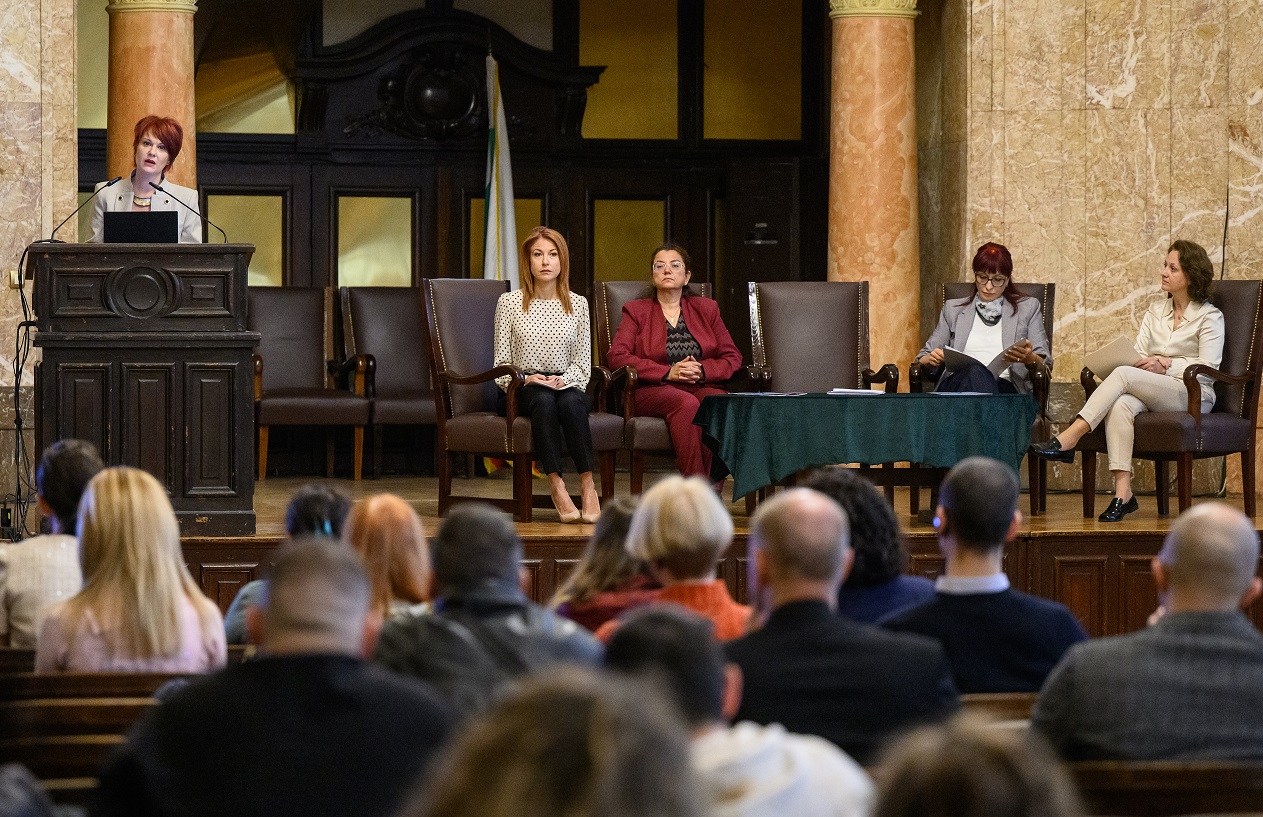
Dignita Works with Women from the Village of Galiche to Recognize Gender-Based Violence

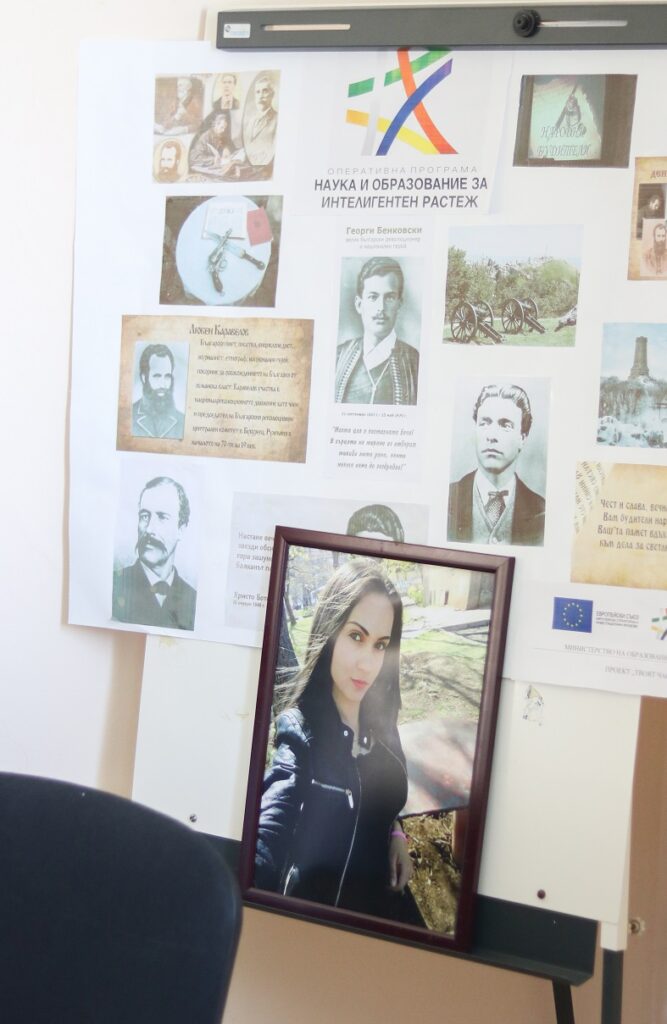
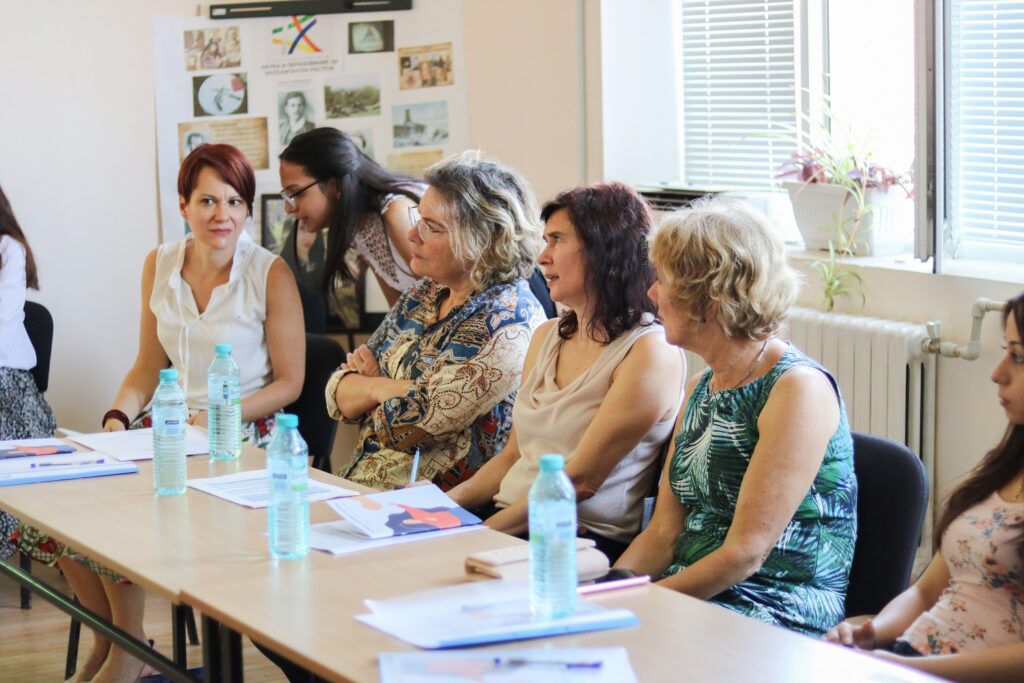
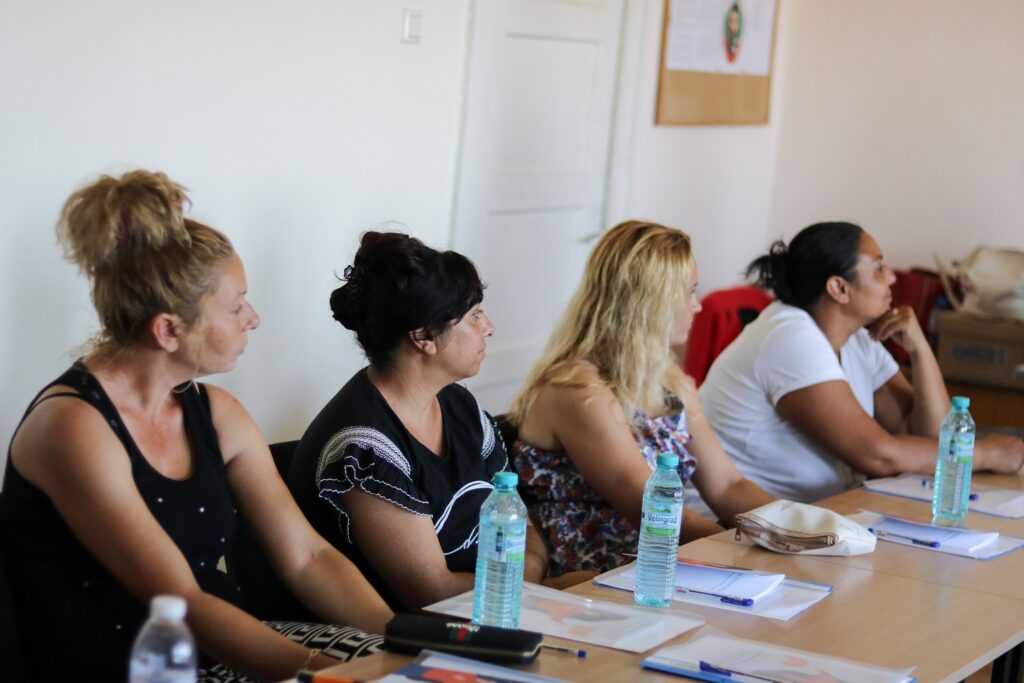
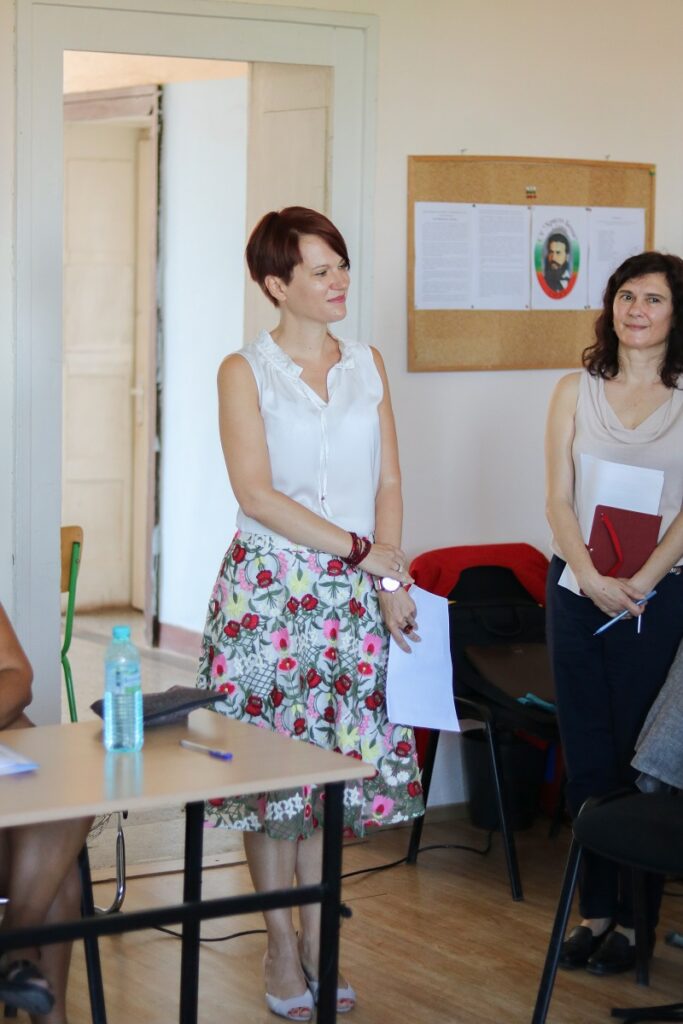
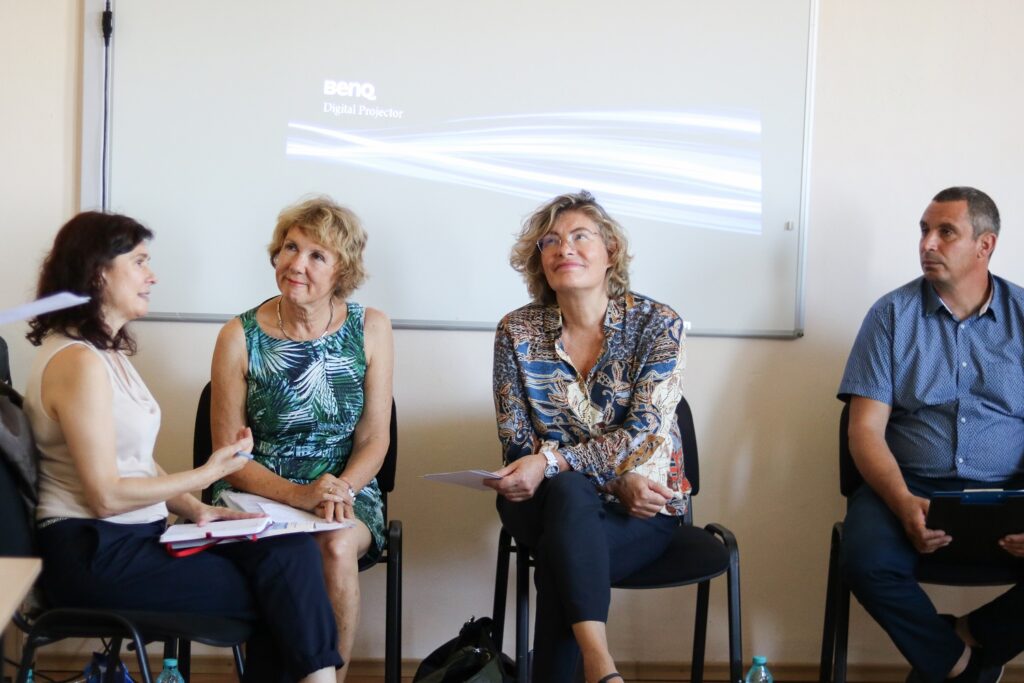
Dignita Foundation, with support from the Embassies of France and the Netherlands, organized violence prevention training in the village of Galiche. This training was held in memory of Andrea, an 18-year-old girl from the village who was raped and killed by a fellow villager in early 2020. Twenty women from the village participated, gaining skills to recognize the signs of gender-based violence.
“The pandemic has significantly increased cases of gender-based violence against women, as well as incidents of human trafficking for sexual exploitation, one of the most severe forms of gender-based violence. Yet in small communities, these issues remain taboo. For the sake of women affected or lost to gender-based violence, it’s essential to talk openly about this problem and face it” said Kameliya Dimitrova, Executive Director of Dignita Foundation.
“We are here to learn how to recognize potential perpetrators and react in time to offer help and support. People who witness violence need to take appropriate action because I get the impression that we often see the behavior of perpetrators as just a way of life, rather than the real problem it is” shared Evelina Dimitrova, co-organizer of the event.
“I learned that Galiche has a long history and that it likely dates back to the Stone Age… Later, as legend has it, Galiche was so well known that even Ottoman Empire representatives avoided spending the night here for fear of their safety. In recent times, however, Galiche has become associated with a traumatic story of violence against a young woman. This is why, along with our French colleagues, we supported Dignita’s initiative to empower the women of Galiche to recognize gender-based violence” said H.E. Bea Ten Tusscher, Ambassador of the Kingdom of the Netherlands to Bulgaria.
The participants were also greeted by H.E. Florence Robin, Ambassador of the French Republic in Bulgaria: “Who could have imagined a few decades ago the presence of two ambassadors — I emphasize, two female ambassadors — here in the village of Galiche? My presence here is not only symbolic but a testament to my strong commitment to the fight against all forms of violence against women. I know, unfortunately, that the Covid-19 crisis has had a very negative impact on women, and many suffered during this time. But I can echo the words of Ms. Regner, Chair of the European Parliament’s Committee on Women’s Rights and Gender Equality: ‘Women not only can overcome any crisis, but they are also at the forefront of future policies. Let’s finally make the 21st century the century of women.‘”
During the training, Ms. Anna Nikolova, a psychologist with extensive experience working with female survivors of violence, outlined the key behaviors of an abuser. “When a partner monitors and tries to control the woman, isolates her from friends and family, insults, and threatens her, this is often a precursor to physical violence” she explained. Ms. Nikolova highlighted the immediate steps a woman should take if she experiences physical violence from her partner. Attorney Natasha Dobreva, a criminal law specialist in victim advocacy, shared the legal mechanisms available for women seeking justice.
Ms. Dobreva also explained the legal protections available under the domestic violence laws. She noted that in Europe, one in three women has experienced some form of physical or sexual assault from the age of 15. “That’s why if you’ve been a victim of violence, you should not feel ashamed but should seek your rights” she added.
Ms. Kameliya Dimitrova further explained the mechanisms involved in one of the most severe forms of gender-based violence: human trafficking for sexual exploitation. “Ninety-seven percent of human trafficking victims for sexual exploitation are women.” She described the typical profile and behavior of traffickers, explaining the common recruitment process. “Traffickers first gain the victim’s trust through gifts and attention, often forming an intimate relationship. Then, they transport her across borders or to another location, where she is coerced into prostitution.” Ms. Dimitrova highlighted the warning signs that indicate a girl might be at risk of trafficking for sexual exploitation. Ms. Dobreva advised on steps to take if someone believes they or a loved one may be a victim and clarified the key rights available to trafficking survivors. The participants received a short training module that helps with early recognition of gender-based violence, detailing the primary protection mechanisms for women at risk.
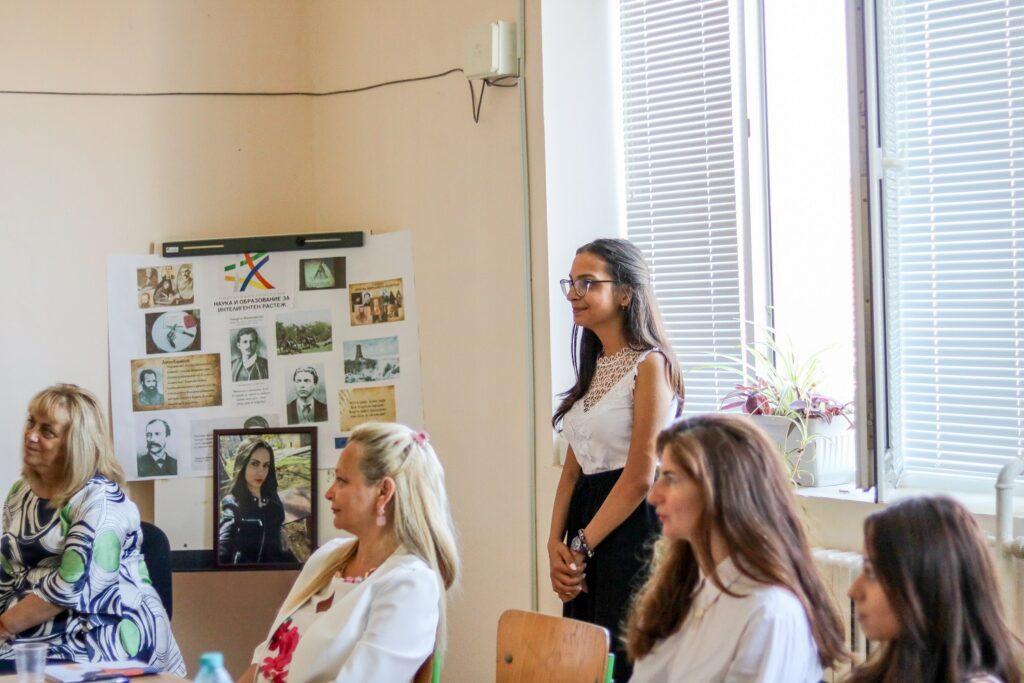
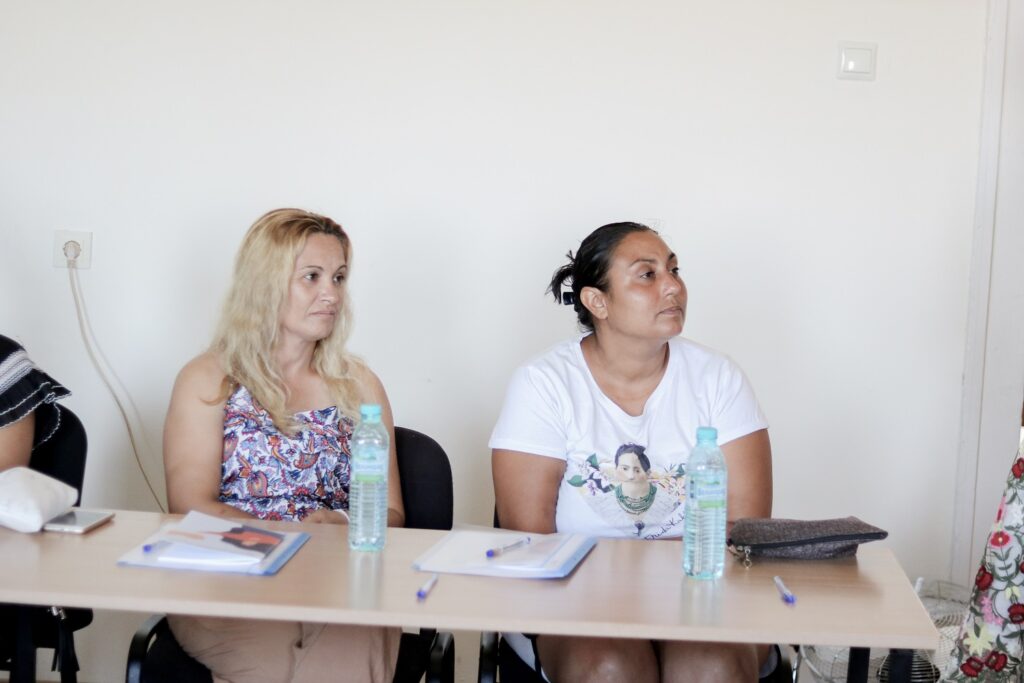
Following the training, a team of professionals from Dignita will continue working on specific cases of gender-based violence and provide consultations to participants regarding their individual situations.
This initiative is part of the “I Rise” project, Empowering Girls in Galiche to Recognize Gender-Based Violence, funded by the Embassies of the French Republic and the Kingdom of the Netherlands in Bulgaria.
Latest News:

Digital Platform for Professional Training on Human Trafficking

Supporting Young People Leaving Alternative Care: Preventing Human Trafficking